Sister honors her brother by supporting Oral Cancer Foundation

Source: OCF Press Release
Author: John Pohl

David Nasto was the kind of person many of us wish we could be. He was a surfer. A snowboarder. A kayaker. A bicycler. An artist. A world traveler. A free spirit. Not content to simply be a devoted fan of the Grateful Dead, he also designed their album covers. Simply put, David Nasto loved life, and he lived it on his own terms.

David Nasto was also his sister Susan’s hero. So when David developed oral cancer in 2005, Susan decided to learn as much about the disease as she could. And when David passed away the following year, she decided to honor her brother do by doing what she could to help prevent others from suffering the way he suffered.

“When David was diagnosed with oral cancer, I was shocked,” said Susan. “He was so athletic, so healthy, and he had never smoked a cigarette in his life. I didn’t think oral cancer struck people like him.” Susan tried to learn as much as she could about the disease, spending much of her free time doing online research. During that process she discovered the website of the Oral Cancer Foundation. “I learned a lot about oral cancer, but the most important thing I learned is the importance of early detection. So when David died, I wanted to find a way to raise money to help increase awareness of the need for everyone to get checked for oral cancer on a regular basis.”

After much study and contemplation, Susan decided that she would organize the David Nasto Memorial Walk for Oral Cancer, and donate all of the funds raised to the Oral Cancer Foundation. The first annual walk took place on September 27, 2008 just outside Andover, New Jersey, where David and Susan were raised. Susan started organizing the event in March, relying heavily on advice provided by Oral Cancer Foundation founder Brian Hill. “There’s no way I could have done this without Brian,” said Susan. “I learned so much from him about oral cancer, and about how to orchestrate an event like this. He guided me through every step of the way.”

And there were certainly a lot of steps involved. The event kicked off with a 9:00 am registration, where 85 registrants were given special t-shirts. For the next two hours, free oral cancer exams were conducted by three dentists. Then it was time for the walk, a two-mile stroll through scenic countryside in an area known as Perona Farms. Following the walk, lunch was served, including baked ziti, fruit, and hamburgers and hot dogs grilled by Susan’s husband, Harry Lauria. After lunch, an inspirational talk was given by Eva Grayzel, a 10-year oral cancer survivor, and five other oral cancer survivors in attendance were also introduced. The event concluded with a raffle of various gift cards, and an iPod was awarded to the person who recruited the most sponsors. All told, over $10,000 was raised, quite a feat for a first-time event.

Susan, who helps people for a living through her “On the Move” errand service, is quick to acknowledge the many people who helped her make this event such a success. Local stores donated all of the food as well as the raffled gift cards. CBS Outdoor donated a billboard that promoted the event for three months. Johnson & Johnson, where Susan’s aunt is employed, donated $2,500 in cash plus all of the t-shirts. And other family members also got into the act. Susan’s 91-year-old grandmother, who lives at the New Jersey shore where David Nasto once was a lifeguard, raised over $700 from the beach community through a letter-writing campaign. Susan’s mother made flyers for the event, and Susan’s sister who is 4 ½ months pregnant, flew in from Texas to work the registration desk. And Susan’s husband Harry and 15-year-old son Kevin provided much moral support throughout the entire planning process.

Susan is already thinking about her second annual walk, and she’s set a goal of raising twice as much money as the inaugural event raised. Fortunately, she’s already had several people volunteer to help her attain that goal. And speaking of volunteering, Susan has volunteered to help the Oral Cancer Foundation counsel other people who are organizing walks and other fund-raising events.

David Nasto was clearly an inspiration to his sister. And Susan Lauria is proving to be just as big of an inspiration to others, particularly to those who care deeply about reducing the incidence and impact of oral cancer. Brian Hill from OCF stated that “Susan’s passion was evident from the onset. It was clearly a labor of love, but beyond that, it was the realization that she personally could be part of positive change in the world while memorializing her brother. It think that her example, her ability to turn a tragedy into a positive that will impact others around her, raise awareness about a disease that we hear far too little about, and help fund outreach efforts that are remote from her local community through the funds donated to OCF, show her to be the kind of altruistic person person that we can all look up to. When our focus moves from the self to others, mountains can be moved. It was a privilege to be associated with her both personally and through the foundation in this effort. She is a remarkable lady.

Saving lives… All in a day’s work

Author: Jo-Anne Jones, RDH
Source: ‘Oral Health Journal (www.oralhealthjournal.com)

If you have ever had a diagnosis from a medical doctor that leaves your life temporarily hanging in the balance, you will truly appreciate the emotional impact the diagnosis of oral cancer has on an individual.

For those that unfortunately receive this type of news, death may be very prolonged and extremely painful both mentally and physically. Unfortunately, this is the second year in a row in which there has been an increase in the number of occurrences, this time of about 11% over the previous year. 1

Here are the facts… the five-year survival rate from oral cancer has not significantly improved in the past 30 years, remaining at approximately 50-59% More than 34,000 (35,310 cases estimated in 2008 involving the oral cavity and pharynx2)Americans will be diagnosed with oral or pharyngeal cancer this year. It will cause over 8,000 deaths, killing roughly one person per hour, 24 hours per day. Of those 34,000 newly diagnosed individuals, only half will be alive in 5 years. This is a number which has not significantly improved in decades. The death rate for oral cancer is higher than that of cancers which we hear about routinely, such as cervical cancer, Hodgkin’s lymphoma, laryngeal cancer, cancer of the testes, endocrine system, thyroid, or skin cancer (malignant melanoma). If you expand the definition of oral cancers to include cancer of the larynx, for which the risk factors are the same, the number of diagnosed cases grows to 41,000 individuals, and 12,500 deaths per year in the US alone. Worldwide the problem is much greater, with over 400,000 new cases being found each year. The ratio of men to women diagnosed with oral cancer is 2:1. As the population ages, the ratio evens out to 1:1.3

There has been an eerie commonality that exists amongst a percentage of those individuals who have fallen prey to this disease. Non-smoker, non-drinker, healthy life style; diagnosis: oral cancer. The profile of an oral cancer victim is surprisingly unpredictable. Approximately 25% of all newly diagnosed cases of oral cancer do not fall into the typical profile associated with alcohol and tobacco usage.

Mounting scientific evidence though reveals that oral cancer possesses two distinct etiologies. One which we have been keenly aware of for decades is through usage of tobacco and alcohol and the other appears to be linked via the HPV virus exposure to the HPV-16 virus (human papilloma virus), the same one which is responsible for the vast majority of cervical cancers in women. 4 This may begin to explain the ‘unknown’ etiology and the bizarre atypical profile that accounts for 25% of diagnosed cases of oral cancer.

The HPV related sites of occurrence appear to be on the tonsillar area, oropharynx and the base of the tongue. Non-HPV positive tumors occur more frequently on the lateral/ventral portion of the tongue, floor of the mouth, soft palate, buccal mucosal tissue and the gingival/alveolar ridges with the lower lip accounting for the highest incidence of squamous cell carcinoma. The lower lip accounts for 30-40% of all oral carcinomas. It is much more common in males than females, occurring most commonly in patients who are in their fifth to eighth decade of life. 5

Emerging trends reveal that the incidence of HPV positive tumors occur most frequently in younger groups particularly white males who are non-smokers, whereas tobacco related malignancies are not as prevalent. The HPV group is the fastest growing segment of the oral cancer population. 4

Early detection is key

The overall five year survival rate for oral and oropharyngeal cancer is 52%. When oral cancer is found early though, this survival rate can be as high as 82%.2 At this time, the majority are found as late stage cancers, and this accounts for the high death rate.

As members of the health care profession, dental hygienists are in a prime position to greatly impact the early detection of oral cancer. Our dental clients need to understand that this examination is not considered to be elective, but mandatory. We need to educate our clients to be keenly tuned into the health of their mouth and to identify anything unusual or persistent such as;

• A sore or lesion in the mouth that does not heal within two weeks.

• A lump or thickening in the cheek.

• A white or red patch on the gums, tongue, tonsil, or lining of the mouth.

• A sore throat or a feeling that something is caught in the throat.

• Difficulty chewing or swallowing.

• Difficulty moving the jaw or tongue.

• Numbness of the tongue or other area of the mouth.

• Swelling of the jaw that causes dentures to fit poorly or become uncomfortable.

Oral cancer screenings performed by a dental professional must include a systematic visual examination of all the soft tissues of the mouth as well as external palpation of all lymph nodes of the face, oral regions and the neck and close examination of the lips. The tongue needs to be examined while manually extended observing the posterior third and the attachment to the floor of the mouth. A bi-manual palpation of the floor of the mouth is bilaterally required as well as a digital examination of the borders of the tongue. Observation of the roof of the mouth as well as the back of the throat and the tonsillar pillars form another integral part of the examination. A comprehensive oral examination is both visual and tactile.

We have fortunately seen a great drop in the mortality rate of cervical cancer through the utilization of routine cervical cancer screening in which a smear of exfoliated cells is specially stained and examined under a microscope for pathological changes. There are still a percentage of false positives however highly insignificant when compared to the decrease in mortality rate of 70-80%.

Science has made great progress

As a female medical patient, I am certainly well aware of the need for an annual cervical cancer screening. I understand that this screening is in my own best interests knowing that early detection of cellular changes is the key. As a professional body, we as dental hygienists tend to be hesitant to inform our clients that we are performing an oral cancer screening examination. Even though it may be carried out, the client is often unaware of exactly what we are looking for. We need to communicate the need for an oral cancer screening examination advising that it is designed to promote early detection of abnormal tissue changes.

A survey conducted by the American Dental Hygienists Association in 2006 reported that of 1,505 subjects surveyed, only 453 reported having been examined for oral cancer. Of that same group, 506 indicated that they did not have an examination, and 532 were not sure whether or not an oral cancer examination was performed.

Great strides are now being made in the world of dentistry to enable detection of suspect tissues in the oral cavity. With the use of VELscope by LED Dental Inc. the operator can use the principle of tissue fluorescence to help identify suspect tissue. VELscope has the potential to bridge the gap between a visual examination and an invasive biopsy. VELscope is a noninvasive, pain-free method of helping to identify abnormal mucosal changes that may be hard to detect or even invisible otherwise. Through the use of a visible and safe blue light (400-460 nanometres), the clinician is able to clearly see the distinction of normal vs. abnormal tissue through a change in the normal fluorescence pattern. The light will excite the tissue from the surface of the epithelium through to the basement membrane and into the stroma beneath causing it to fluoresce. Abnormal tissue typically appears as an irregular, dark area that stands out against the otherwise normal green fluorescence pattern of surrounding healthy tissue (Figures 1 and 2).

The argument exists that there may be a lack of clarity in distinguishing between abnormal and normal tissues by detecting the more common benign abnormal tissues. Loss of fluorescence will be evident in benign conditions such as apthous ulcers, lichen planus, benign migratory glossitis and pemphigoid. This is where the clinician exercises the compilation of all components of the client examination and history and applies critical thinking. Proper training and skill in communicating with the dental client are integral to incorporation of this device into the routine oral cancer screening examination. VELscope is intended as an adjunctive screening tool to the visual examination, not a diagnostic tool.

The profession of dental hygiene requires a commitment to life long learning. The incorporation of any new technology requires evidence based decision making and a strong commitment to training. As a colleague, I would challenge you to examine your present means of assessment for your clients and critically evaluate the level of care you are presently providing. If you have any part in early detection of this insidious disease, it will be a job well done. Saving lives… all in a day’s work.

References:
1. www.oralcancerfoundation.org/

2. American Cancer Society. Cancer Facts & Figures. 2008. Atlanta: American Cancer Society; 2008

3. www.oralcancerfoundation.org/facts/

4. www.oralcancerfoundation.org/hpv/index.htm

5. Sapp, J. P. Eversole, L. R., Wysocki, G. P. Contemporary Oral & Maxillofacial Pathology. 2nd Edition. Ch. 6 Epithelial disorders, p. 190-191

6. Hein C, Kunselman B, Frese P. Preliminary findings of consumer-patient’s perceptions of dental hygienists’ scope of practice/qualifications and the level of care being rendered. American Dental Hygienists’ Association Annual Session. June 2006.

7. Gurenlian, J. The Role of the Dental Hygienist in Oral Cancer Screening, Education, and Management. The Inside Summit on Oral Cancer Discovery and Management 2007;3(2):21-2.

Jo-Anne Jones is an international lecturer, author and owner of her own consulting business, Practice Smart. Working closely with the corporate sector, she remains active as a lecturer, researcher and key opinion leader focusing on best clinical practices and the enjoyment of best treatment outcomes.

Medical Researchers Urged to Speed Up Vaccine’s Safety Investigations

The Oral Cancer Foundation is urging medical researchers to speed up investigations on the safety of a vaccine for a sexually transmitted virus that it said causes cancer of the mouth.

The foundation’s statement comes shortly after studies published this month in the medical journal “Cancer” and the New England Journal of Medicine, which suggest a link between human papillomavirus (HPV) and oral cancer.

Currently, the vaccine—which protects against four strains of the virus—is administered to girls and adolescent females to protect against cervical cancer, the foundation said.

Deaths from cervical cancer, which number about 3,700 per year nationally, have declined due to improved methods of early detection and the public’s greater awareness of the importance of annual screenings, the foundation said.

The foundation also said men can benefit if given the same vaccine and urged the FDA to approve such a use once scientific due diligence has been accomplished.

“The study affirms what we have long believed, namely that the vaccine can reduce oral cancer rates if given to both males and females,” said Brian Hill, founder and executive director of the Oral Cancer foundation.

Oral cancer can be detected early through simple visual and hand examinations, the foundation said. But no public awareness campaign exists nationally to promote detection, it said.

Every day in the United States, 93 people develop oral cancer—and one person dies from it every hour, more than twice the death rate of cervical cancers and higher than many of the more commonly known cancers, according to the foundation.
Compounding the problem is that oral cancer often goes unnoticed in its early stages and it usually not detected until later, when prognosis is poor, the foundation said.

Rates of oral cancer are on the rise nationally, despite years of declining tobacco use, the foundation said.

“What seems like a paradox actually illuminates the expanding role HPV- 16 plays in acquiring this disease,” Hill said.

HPV-16 is one of the destructive strains out of more than 100 versions of the virus, the foundation said. It was first linked to oral cancer more than 10 years ago, but recent research has backed up claims about its role as a causative factor in oral cancer in both men and women, the foundation said.

HPV, which can be transmitted either through genital or oral-genital contact, is the most common sexually transmitted disease in the United States, the foundation said.

About 20 million men and women currently have the disease, and close to 80 percent of sexually active adults will acquire the virus at some point in their lives, the foundation said.

Hill said widespread use of the vacine in both men and women will result in positive collateral benefits in reducing rates of oral cancer.

He also warned that delaying research and subsequent FDA approvals could come at a cost in higher oral cancer rates.

NYU Students Receive OCF Award for Excellence in Public Service

NYU Dental Students Show They Have a Lot to Teach About Giving Back

The Oral Cancer Foundation recently honored the two student co-chairs of Oral Cancer Walk 2008, an awareness-building and fund-raising event coordinated by the New York University Dental School’s chapter of SNDA (Student National Dental Association).  The two honorees are fourth-year student Marcus Johnson and third-year student Dmitry Baron.

Marcus and Dmitry both worked on the 2006 and 2007 events and, despite extremely busy schedules, enthusiastically embraced the challenge of running this year’s event. Oral Cancer Walk 2008 took place the morning of Saturday, April 19 in Harlem’s Marcus Garvey Park, drew over 900 walkers, and raised over $30,000 to support the cause of the early detection of oral cancer. Funds raised through the event sponsor the work of The Oral Cancer Foundation. The event also featured free oral cancer, blood pressure, and cholesterol screenings in conjunction with the Harlem Hospital, speeches from oral cancer survivors, and musical entertainment both before and after the walk. Dr. Jocelyn Jeffries, the chair of Oral Cancer Walk 2007, attended the event and lent her moral support to the new event leadership.

“For Marcus and Dmitry to find the time to coordinate such a significant event while tending to their dental school studies represents a tremendous sacrifice,” said Brian Hill, Founder and Executive Director of the Oral Cancer Foundation, which again was both one of the event’s sponsors, and benefactors.  “Their exceptional leadership, passion and altruism have generated not only badly-needed funding, but badly-needed awareness for our cause. To present them with the foundation’s 2008 Award for Excellence in Public Service was a privilege”.

While Marcus Johnson and Dmitry Baron share many extraordinary traits, they come from very different backgrounds and have very different career plans. Marcus, a Denver native, will begin a one-year residency in Brooklyn following his mid-May dental school graduation.  He then plans to attend the University of Michigan to pursue a Master’s degree in Dental Public Health Administration.  Not content to merely become a practicing dentist, he also hopes to teach in dental school and to be involved in community dental health.

Dmitry and his identical twin brother Alek, who is also an NYU dental student who has been actively involved with all three Oral Cancer Walks, were born in the Ukraine and moved to New Jersey with their family as young children.  Following their graduation from dental school in 2009, Dmitry and Alek will each fulfill a 3-year Army obligation and then a 5-year Reserve commitment.

Both Marcus and Dmitry expressed their gratitude to Dr. Ross Kerr, NYU Associate Professor of Oral & Maxillofacial Pathology, Radiology & Medicine and faculty advisor to the SNDA, for his counsel and inspiration.  They also were emphatic that walk could not have succeeded without the hard work and talents of the other student-members of the Oral Cancer Committee or the cooperation of the NYU College of Dentistry’s administration.  And they acknowledged Philadelphia-area dentist, Dr. Jerold Wilck, who is also an oral cancer survivor, as the walk’s single-largest fund-raiser.

It is clear that Marcus and Dmitry are two very appreciative young men.  “I understand that I am fortunate to have received a great deal of support over the years from my family and so many others,” said Marcus, “and I want to give back.”  Said Dmitry, “I’ve been blessed in my life, and I felt a calling to do whatever I could to support this very special cause.”

Despite everything these busy students have going on in their own worlds, they are also able to look beyond their immediate environment.  Marcus is determined to help Harlem and similar communities embrace the cause of early detection, but he knows it won’t be easy.  “These communities’ health concerns have focused on intervention, and what we’re trying to do is to help them start focusing on prevention as well.”  In Dmitry’s case, his focus is on other dental schools.  “Our hope is that other schools will hear about our results and start similar programs in their communities,” said Dmitry.  “We are anxious to share our ideas and experiences with them, and to do anything else we can to help them create awareness of the need for earlier detection of oral cancer.”  Other schools cannot only raise awareness in their own local communities, but through the fund raising aspect of financially helping the Oral Cancer Foundation, they can have an impact in other distant communities via the foundation’s work, most of it in communities where disparities in healthcare exist.

While Marcus Johnson and Dmitry Baron will soon be two very special dentists, they are already—quite clearly—two very special young men.

Word of Mouth

Author: Veronica Jauriqui
Source: University of Southern California (www.usc.edu)

Oral Cancer Awareness Week begins April 16. Even though the disease has maintained a low public profile, the American Cancer Society estimates that more than 34,000 new cases will be diagnosed in 2007. Here is what you should know to reduce the risk of oral cancer.

Nearly every hour of every day, someone in the United States dies of oral cancer, according to the Oral Cancer Foundation, a national non-profit agency dedicated to prevention, education and research in oral cancers.

Oral and pharyngeal cancers (cancers of the lip, mouth, tongue and throat) account for about 7,500 deaths per year and have a higher fatality rate than cancers of the lung, breast, prostate and cervix. While it does not share the same high public profile as these other diseases, oral cancer is the eighth most common cancer in this country. And in many developing countries—like India, China and Vietnam—it is number one.

The statistics are disturbing, especially since oral cancer is highly preventable, explains Parish Sedghizadeh, D.D.S., assistant professor at the USC School of Dentistry.

In fact, the Oral Cancer Foundation says that when oral cancers are found early, patients have an estimated 80 to 90 percent survival rate.

“Like most cancers, early screening is the key,” Sedghizadeh says. “The first line of defense is knowing who is at risk and what to look for.”

What are the signs?
The majority of oral cancers—those on the lips, tongue, inside the lining of the cheeks, on the gums or in the upper throat—are squamous cell carcinomas, which are cancers found on the skin or mucous membranes. These cancers may begin as white or red patches of discolorations in the mucous membrane. As precancerous plaques tucked away in the smallest crevices within the oral cavity, they generally go unnoticed. Otherwise, symptoms can take innocuous forms, such as a sore in the mouth or on the lip that does not heal, intraoral bleeding, loose teeth, a lump in the neck or difficult or painful swallowing.

“Almost half of the cases of oral cancers are diagnosed at advanced,” Sedghizadeh says. “In the precancerous stages, there are few noticeable symptoms. By the time the symptoms are apparent, it has reached the cancerous stage and has often spread to the lymph nodes or other parts of the body.”

What are the risks?
According to the Oral Cancer Foundation, two-thirds of oral cancers are caused by tobacco use in any of its forms—cigarettes, cigars, pipes and chewing tobacco. Alcohol use, especially in conjunction with tobacco use, increases the risk.

Ultraviolet light exposure, in the form of sun bathing and tanning beds, has been linked to lip cancer. Previous studies suggest that diets lacking in fruits and vegetables may increase risk of oral cancer. In addition, scientists are also studying the link between oral cancer and certain viruses including the human papilloma virus.

Sedghizadeh cautions against lesser-known and more culturally specific risk activities—such as chewing areca nut, also known as betel nut, or drinking maté, a tea-like beverage—that are prevalent in Asian, Middle Eastern and South American countries, but that are becoming increasingly popular in the United States as the practices cross cultural borders.

“Drinking maté, for example, is becoming more common in the U.S.,” he says, “and it’s easy to find at some health-food stores.”

But in most cases, Sedghizadeh says, it is lifestyle choices that increase the risk.

“When you engage in these behaviors, whether it is alcohol or smoking, each one of these activities has a little bit of risk associated with it. These risks add up. Doctors cannot determine who will or who won’t get the disease, but the cumulative risk increases the potential,” he says.

What you can do
Prevention and early detection are key to battling oral cancer. Sedghizadeh recommends that everyone—especially those people in high-risk groups—do the following to reduce risk:

• Make oral cancer screenings part of your biannual dental checkup. Dentists and dental hygienists are on the front lines of the disease and know how to identify possible abnormalities.
• Moderate alcohol use and eliminating tobacco, areca nut and maté use reduces the risks of developing oral cancers and other cancers, including cancer of the lung, larynx and esophagus.
• Use sunscreen or lip balm with SPF 15 to reduce the risk of lip cancer. Wearing a hat with a wide brim may also reduce lip cancer risk and the risk of developing skin cancer.

For more information, visit the Oral Cancer Foundation online at
www.oralcancerfoundation.org.

Actress Colleen Zenk Pinter Partners with the Oral Cancer Foundation to Raise Public Awareness

Two time Emmy nominated actress Colleen Zenk Pinter, best known for her long running role as Barbara Ryan on CBS’s As the World Turns, has teamed up with the Oral Cancer Foundation to share the story of her battle against oral cancer, and raise public awareness of a disease which kills more Americans each year than more commonly known cancers.

Zenk Pinter’s first stop was CBS’s The Early Show. In an interview with co-anchor Hannah Storm, Zenk Pinter revealed how a seemingly stubborn canker sore turned out to be a stage-two malignant oral cancer, requiring several surgeries to reconstruct her tongue, and months of radiation treatments. Zenk Pinter explained to Storm that she believes that her cancer was caused by the human papillomavirus. “I had absolutely none of the historic risk factors for this cancer, I never used tobacco and only drank socially,” she said, referring to the two other common causes of the disease.

“In fact, young Americans who have none of the historic risk factors are the fastest growing segment of oral cancer patients in the country,” Brian Hill, executive director of the Oral Cancer Foundation says, “and we believe the culprit behind the surge in cases is HPV16, the same virus that causes cervical cancer.”

Dr. Mark Lingen, Professor of Pathology at the University of Chicago School of Medicine says, “Colleen was very typical of most Americans in their lack of knowledge of oral cancer. Awareness and routine screening is particularly important, since early discovery is directly correlated to positive outcomes from treatment.” HPV is the most common sexually transmitted disease in the United States. At least 50 percent of American adults will acquire the virus at some point in their lives. HPV16, one of the most destructive strains of the virus, was definitively linked to oral cancer in 2001. Research has also established that the virus, which can easily be transferred, may even be a more significant risk factor than tobacco in the younger portion of the population.

“Colleen is an amazing woman”, said Hill. “Even BEFORE she had begun her treatments for the cancer, she contacted me and wanted to become an advocate for early detection and increased awareness. She was clearly taken by surprise to have developed this cancer. Most people at that point in the process are only thinking of themselves, and getting through the really tough treatments successfully. Her willingness to talk publicly about her very personal and painful battle with oral cancer is certainly courageous, and the desire to help others is palpable when you speak with her. Her story and high profile celebrity as a well-known TV actress will have enormous impact educating the public about this deadly and disfiguring disease. This is one of the purest examples of altruistic, celebrity power being used to better other people’s lives. We are lucky to have this partnership with Colleen.”

Now cancer-free, Zenk Pinter urged viewers of The Early Show to get regular oral cancer screenings. “Your dentist should be doing an oral cancer exam at every visit,” Zenk Pinter said. “It’s a simple 5 minute, painless exam that may save your life.”

The Early Show was only the first of what is on the public awareness schedule for Zenk Pinter. A recent interview with Soap Opera Digest is already on the newsstands, and interviews with other magazines have been scheduled. In December she will film a TV Public Service Announcement on the need for early detection through annual screenings. OCF will distribute the PSA to TV stations across the country at the beginning of 2008.

About Colleen Zenk Pinter

Ms. Zenk Pinter has worked professionally since the age of nine as an actress. Besides her long time association with As the World Turns, in which she has appeared in over 250 episodes, Colleen made her Broadway debut in Bring Back Birdie. Her film debut was in John Huston’s adaptation of Annie. Her benevolent and philanthropic association with health causes is not new, and for decades she has donated time to work with the Easter Seals, the March of Dimes, the Cystic Fibrosis Foundation and Bread to Roses, one of the first AIDS hospice programs. For more information about Colleen’s background, go to http://www.astheworldturns.net

The Oral Cancer Foundation, founded in 2000, is a national non-profit charity based in California. The foundation advocates for better public understanding of the disease and engages the medical and dental communities to be more involved in early detection. The foundation maintains a Web site with information for patients, the public, and health care providers at www.oralcancerfoundation.org. It is supported through tax-deductible public donations which can be made at http://www.oralcancerfoundation.org/membership/membership.htm.

Speaking Out

  • 11/28/2007
  • web-based article
  • Jennifer Lenhart
  • www.soapoperadigest.com

Long running TV show As the World Turn’s Colleen Zenk Pinter (character Barbara Ryan) spoke about her battle with tongue cancer in Digest’s 11/27 issue, but her main goal is to encourage everyone to get screened. It’s a quick, completely painless procedure. “You should demand a cancer screening from your denist,” she advises. “They’ll look in your mouth and feel down inside your jaw bone, outside and inside, upper and lower, they’ll look at your tongue and throat.” Here, she talks more about her initial diagnosis, and when she first decided to share her story.

Soap Opera Digest: How did this all begin?
Colleen Zenk Pinter: I first noticed it last summer, so it’s been over a year now. [I constantly had] canker sores coming and going last summer into last fall. They finally stopped going away and started getting larger — you know how painful one is, these were multiplying. I said, “This isn’t right,” and that’s when I called my physician to get my yearly, thinking I could get in right away, forgetting that it takes a while to book something like that. I called the second week of November and he couldn’t get me in until the first week of January. I had actually talked to Eldo [Ray Estes, ATWT's key makeup artist] at work about it. I had shown him and said, ‘I’m dealing with this nasty thing that won’t go away.’ So I went in and saw my doctor, got my physical. All of my numbers, my blood work, my cholesterol, my iron, everything was in great shape. I was a really healthy 54-year-old who has boundless energy. I overbook myself all the time, as my mother tells me. I said to the doctor, “Take a look at this.” And he said, “I don’t like it. You’re going to go see a maxillofacial specialist tomorrow.” … [The specialist] said, “I think you have a combination of a fungal and bacterial infection, so let’s treat you for that.” It was an antibiotic, a big bottle of orange medicine. And it started working and it got better. I would go back and see him every single week for five weeks. And then it stopped working. [What was left was the tumor.] Usually, you don’t know what’s going on inside of your mouth. By the time I went into surgery, if I stuck my tongue out, you could see the right side was about twice as big as the left, and the tumor went way to the back. You could feel the entire thing. But who goes around feeling their tongue?

Digest: What did it feel like?
Pinter: Hard, and it was elongated and fat.

Digest: Is that why the sores kept coming and going?
Pinter: They don’t know.

Digest: But you hadn’t really felt it before.
Pinter: I didn’t actually feel my tongue until after I got the diagnosis. So at that point, he said, “I think we need to do a biopsy.” So he put me under a general anesthetic in the office. Mark [Pinter, her husband, ex-Grant, AW et al] was there with me, and then he had to go to California. Unfortunately, he was going to be gone for [daughter] Georgia’s 14th birthday, but [daughter] Kelsey came home and I said, “I want you to come with me to see [the doctor]. I love him; I think he’s a fabulous doctor.” As I was walking out of the house, the phone rang. I let it go through to voicemail; it was a nurse [at the cancer center] saying, “We just wanted to let you know that the doctor has scheduled you for an appointment on Wednesday,” which was two days later. I thought, “Okay.” I already knew at that point. So when we got to the office, the doctor was there and the room was full of all of his nurses, who I knew really well at that point … I won’t go into all of that because it was so wild and wacky the next couple of days, but when all of a sudden you get a diagnosis like this and they say, “Don’t go home and get on the Internet,” you go home and get on the Internet. I knew it was cancer. I knew it was Stage 2. And that was pretty much all I knew … Luckily, one of the first sites I found was www.oralcancerfoundation.org. The week before I went into my first surgery was when I contacted Brian Hill of the Oral Cancer Foundation. I left him a very lengthy voicemail, not thinking that this man who was the head of the foundation would call me back. At that point, I didn’t know he was a Stage 4 cancer survivor. But he called back and thus began our association. I said, “I want to do something. Tell me what I can do.” He said, “That’s great, but you’re way ahead of yourself.” I said the same thing to my group [of doctors] at Yale and they said, “You’ve got to get through and then figure out if you want to do something.” So it was when I got back from doing [Stephen Sondheim's] Follies [in Sullivan, IL] that I decided to speak about it.

Digest: What has the response been like?
Pinter: The outpouring of understanding and love and encouragement that I have felt, from not just the fans but people who have found out about this and have had family members or they themselves have gone through it, the support has been overwhelming. It’s all, “Thank you for getting it out there. Thank you for saying something, speaking up.” That’s all it’s about.

The Oral Cancer Foundation Issues First Research Grants

  • 11/21/2007
  • Newport Beach, CA
  • press release
  • prnewsire.com

The Oral Cancer Foundation announced today that three researchers working in areas of early oral cancer detection would be the foundation’s first grant recipients.

The grants, which were made as an ongoing commitment to each researcher, were awarded to Dr. Maura Gillison of Johns Hopkins School of Medicine, Dr. David Wong of the University of California at Los Angeles, and Dr. Ann Gillenwater of the University of Texas MD Anderson Cancer
Center.

“We are supporting research that moves our early discovery agenda forward,” the foundation’s executive director Brian Hill said. “Early detection is our first front in reducing the death rate from oral cancer, and we believe these research programs all will have a huge impact on how and when people are diagnosed with the disease. Early detection and staging is directly correlated to better long-term outcomes for patients.”

The disease affects more than 34,000 Americans each year, and more than 8,000 will die from it annually. At the present time two-thirds of cases are caught in the cancer’s later stages when prognosis is poor. At 5 years from diagnosis survival for all stages combined is approximately 50%. While other cancers have seen a decline in incidence and death, occurrence of oral and oropharyngeal cancers have increased in recent years, 11% in 2007 alone.

“Public awareness of the disease is low, and screening models used incorrectly or inconsistently are largely to blame for the high death rate,” Hill said. “We could be doing a better job of early discovery. Patients need to know that an annual screening is inexpensive, painless, and takes only five minutes. But the lack of awareness-in both the health care community and the public’s-of the newly defined viral etiology of oral cancer is now also to blame.”

Oral cancer has been most usually associated with tobacco use, often in combination with alcohol consumption. However, new research over the last decade has pointed to the human papillomavirus (HPV-16), the same virus that causes the vast majority of all cervical cancers, as a significant risk factor, especially in cases affecting young non-smoking men and women.

Grant recipients.
Dr. Maura Gillison
Maura Gillison, MD, PhD, assistant professor of epidemiology of Johns
Hopkins School of Medicine, merited headlines across the globe for her
research on the role the HPV virus plays in the etiology of oral cancer, and without ambiguity defined the link between the two. Her work has changed the demographic norms for those previously considered at risk for the disease, and has broad implications for developing preventative measures for HPV-positive patients and treatment options for oral cancer patients with HPV-derived cancer.

Dr. David Wong
David Wong, DMD, DMSc, director of the UCLA Dental Research Institute,
is a nationally recognized expert in the emerging field of salivary
diagnostics. Wong’s work will yield an accurate, noninvasive test for very early detection of oral cancer, and likely other high-impact systemic diseases within a few years. It is the first viable option for conducting mass public screenings for oral cancer using only a small amount of saliva and a computer chip which looks for specific biomarkers. Given the shift in etiology of oral cancer cases away from the obvious potential patient identifiers like smoking to the less easily detectable virus, Wong’s research will be instrumental in identifying those most at-risk for the disease.

Dr. Ann Gillenwater
Ann M. Gillenwater, MD, associate professor, department of head and
neck surgery, the University of Texas MD Anderson Cancer Center, has been part of a pioneering team in the use of tissue fluorescence as a discovery tool in oral cancers. Tissue fluorescence, in which a specific spectrum of light is used to differentiate healthy cells from those which are not, will allow the health care professional to identify more readily areas of suspect tissue that may be missed in a conventional white light visual screening. This will improve the opportunity for early diagnosis, thus improving patient outcomes.

The Oral Cancer Foundation, a 501(c)3 non profit charity, founded in 2000, advocates for better public awareness of the disease, provides patient support mechanisms, and engages the medical and scientific
communities to be more involved in the process of early detection. The foundation conducts screening events across the country and maintains a web site with hundreds of pages of information for patients, the public, and healthcare providers at the source for Oral Cancer News.

Contagious Cancers

  • 11/12/2007
  • Boston, MA
  • Scott Allen
  • Boston Globe

The almond-shaped lump on Brian Hill’s throat didn’t make sense to him. The doctor said it was a symptom of advanced oral cancer, but Hill had never smoked a cigarette or chewed a plug of tobacco, considered the main causes of the disease when he was diagnosed in 1997. So why was it there?

Not until four years later did Hill get an explanation for his brush with death: a microbe called human papilloma virus-16 had apparently moved into his tonsils, gradually turning normal cells into cancer. Hill, now 59, had become part of a wave of relatively young nonsmokers who contracted oral cancer from the sexually transmitted virus, fueling an overall increase in new cases.

Viruses such as human papilloma may be the most overlooked bad guys in the war on cancer, silent invaders that contribute to more than a dozen malignancies and may cause 15 percent of the cancer cases worldwide each year.

“What we know about HPV-16 as a cancer causer is just the tip of the iceberg,” said Hill, founder of the Oral Cancer Foundation, which funds research for a disease that strikes 34,000 Americans annually and is caused by the same virus that can lead to cancers of the cervix, vulva, anus, and penis.

The cancer toll from germs - both viruses and bacteria - may turn out to be higher as researchers discover more of these elusive microbes and how they do their grim work. Currently, scientists can’t even estimate how many viruses afflict human beings, let alone how they impact human health. Some suspect that unknown viruses may be causing cancers that are now blamed on something else, much the way doctors believed that stress and spicy foods caused stomach ulcers until scientists discovered the real culprit - bacteria - in 1982.

“There are a lot of infectious diseases that we just don’t know about, including a lot of cancers,” said Dr. Matthew Meyerson, a cancer genetics researcher at the Dana-Farber Cancer Institute in Boston and the Broad Institute of Cambridge. Unfortunately, he said scientists have not come up with a simple way to identify unknown viruses lurking inside human genes.

But it’s already clear that cancer is more contagious than most people realize: everyday acts of intimacy such as kissing and lovemaking potentially transmit viruses from one person to the next that, for an unlucky minority, will cause cancer years later as the genetic damage to cells slowly mounts. For instance, people who have oral sex with six or more partners triple their risk of developing oral cancer due to the transmission of the papilloma virus, according to a recent study from Johns Hopkins University in Baltimore.

Yet, medical advice on how to prevent cancer usually centers on avoiding tobacco, sunlight, cancer-causing foods, and environmental pollution, with only secondary mention of the need for protection against infections by cancer-causing viruses.

“We worry about ‘Should I eat those french fries or that apple?’ but we don’t manage our infections. I don’t say, ‘I think I’ll have a little less Epstein-Barr virus today,’ ” said Dr. Julie Parsonnet, a researcher at Stanford Comprehensive Cancer Center in California who focuses on infectious diseases. “We are probably focusing on the wrong thing.”

Ultimately, Parsonnet believes that infections from viruses and bacteria combined account for at least a quarter of cancers and more in developing countries where untreated infections are more common.

However, Parsonnet hopes the advent of the vaccine against cervical cancer, Gardasil, in 2006, may have begun to raise awareness. The maker, Merck & Co., ran national television advertisements that depicted average women expressing their surprise that cancer could be brought on by a viral infection. “That for the first time brought infections to the public mind as a cause of cancer,” Parsonnet said.

Scientists suspected long ago that cancer could be an infectious disease: 19th-century physicians observed that cervical cancer was common among prostitutes and rare among nuns, suggesting the disease was spread through sex. But it wasn’t until the last 50 years that researchers began to draw the direct connection between viruses - organisms that need to get inside healthy cells in order to survive - and the nation’s second leading killer. Even now, researchers are still figuring out exactly how the viruses cause cancer.

The human papilloma virus makes proteins that corrupt cells inside body openings such as the mouth and vagina, causing the cells to live longer and reproduce more frequently. Unchecked, the genetically defective cells can grow and spread, disfiguring and potentially killing its victims.

But only one-third of the more than 100 strains of papilloma have been linked to cancer, and even those trigger cancer in a tiny fraction of infected people: More than 20 million women will be infected with papilloma virus this year, for instance, but only about 11,000 will be diagnosed with cervical cancer.

A second group of cancer-causing viruses, hepatitis B and C, attack the liver, where they take over healthy cells and also cause inflammation that further damages the cells. Millions of people carry these viruses with virtually no symptoms, but the 10 percent of patients who suffer chronic liver inflammation have an increased chance of developing cancer, cirrhosis, or liver failure.

Viruses often prey on people already suffering from another disease that has weakened their immune systems, making them more vulnerable. The Kaposi sarcoma associated herpesvirus is best known in this country for striking HIV patients, causing widespread skin lesions and sometimes death when the cancer spreads to the lungs.

The Kaposi virus illustrates how viruses can cause cancer without being detected: In addition to taking over some cells to use as “hosts,” the Kaposi virus quietly kills neighboring cells, allowing cancer to spread without any genetic “fingerprint” left behind. Dr. Preet Chaudhary, the University of Pittsburgh medical school researcher who discovered Kaposi’s cell-killing ways, believes that other viruses may do the same thing, but no one has noticed.

“It is possible that the actual cancers that are linked to viral infections are much more common than we realized,” said Chaudhary.

Scientists don’t know why different viruses are so selective in causing cancer, but Parsonnet believes the answer lies in the complex relationship between humans and the viruses inside them. The difference between a harmless virus and a deadly infection, she said, may come down to very specific details, or a cascade of unconnected events. “Maybe herpes causes cancer but only if you previously had CMV (cytomegalovirus) and an exposure to hepatitis A before you were three,” she speculated.

Meyerson of Dana-Farber said it may be time for a systematic approach to studying cancer-causing viruses. The Human Genome Project, which identified the 25,000 or so human genes, could help researchers find microbial invaders in human tissue and fluids: If scientists find genes that aren’t in the genome, they must be from a nonhuman source such as viruses or bacteria.

“Once we find the first new pathogen with this approach, the field will explode,” Meyerson predicts.

In the meantime, oral cancer survivor Hill and his wife get tested regularly to see if the papilloma virus has returned, and he wants health officials to do more to fight viruses now.

Hill’s California-based Oral Cancer Foundation (www.oralcancer.org) is pushing to get the new cervical cancer vaccine, which protects girls against HPV-16 and HPV-18, to be offered to boys as well - something the vaccine makers are investigating. It’s possible, he said, to eradicate one major cancer-causing virus a generation from now. “We must act now.”

Vaccine Treatment Takes Aim At Oral Cancer

  • 10/29/2007
  • web-based article
  • Hilary Waldman
  • cancer.uchc.edu

Promising New Drug Was Originally Designed To Fight Cervical Cancer

A new cervical cancer vaccine headed for FDA approval this month could also put a dent in new cases of oral cancer - one of the deadliest cancers in the United States.

At least one-quarter of oral cancer cases may be linked to human papillomavirus, the same sexually transmitted bug that causes cervical cancer.

“Because of this vaccine, in 10 to 15 years, we’re going to find many fewer head and neck cancers, it will have a positive collateral benefit not related to its primary cervical cancer use.” said Brian Hill, founder and executive director of the Oral Cancer Foundation.

Researchers started looking for new possible causes of oral cancer when tobacco use dropped precipitously in the United States but the incidence of oral cancer did not.

About 34,000 people will be diagnosed with oral cancer in the United States this year, and only half of them will be alive in five years. The death rate for oral cancer is higher than that for cancer of the cervix, testicles, skin (melanoma), Hodgkins disease, a type of blood cancer and other we commonly hear about.

Six years ago, researchers at Johns Hopkins School of Medicine looked at 253 patients with head and neck tumors and found HPV-16 - the tumor-causing strain of the virus - in 25 percent of those patients.

HPV-positive tumors are most likely to occur in the throat, base of the tongue, and tonsils and appear to be more responsive to treatment than tumors that are not associated with the virus.

Although the presence of HPV in head and neck tumors has not yet been convincingly linked to sexual practices, such as kissing and oral sex, several studies suggest that there may be a connection. (OCF disagrees with this statement, the connection to oral sex is well established in peer reviewed publications.)

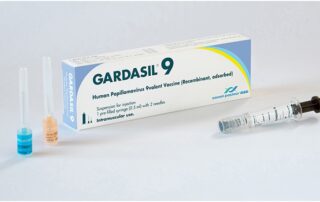
Thus, said Hill and others, the vaccine called Gardisil will not help people who are already sexually active. But advocates recommend that 11- and 12-year-old children be vaccinated, a move that could drastically reduce deaths from cervical and oral cancer.

For people who are already sexually active, there is no substitute for a thorough annual examination by a dentist or a physician.

Caught in its earliest stages, oral cancer can be cured in 80 percent to 90 percent of cases. Once it has spread beyond the mouth, however, the survivla rate drops - only 50 percent percent of patients survive for five years when all stage are considered.

“Sixty percent of the American population sees a dentist every year,” Hill said. “When exit surveys are done, only 7-to-15 percent of patients said they had had an oral cancer exam while they were there.”

Hill recommends that patients ask their dentists for an oral cancer screening during every routine check-up.

A proper exam includes lifting the tongue with a gauze pad to examine the underside and the floor of the mouth ( OCF added note after publication:also pulling the tongue forward to siualize the base of it where HPV lesions often appear). The doctor or dentist should then put one finger under the tongue and one under the chin to feel for unusual bumps.

Some precancerous spots appear as white or red patches in the mouth that linger for more than two weeks. Cancer is most likely to appear on the sides of the tongue, the floor of the mouth, the soft palate or the tonsils. It is very rare in the hard palate, cheeks or the top of the tongue.

“There is no substitute for a good oral exam in the hands and eyes of a knowledgeable clinician,” said Dr. Ellen Eisenberg, a professor of oral health and diagnostic sciences at the University of Connecticut Health Center.

Some new technologies are emerging to help dentists detect and test for oral cancer. One product uses an acid rinse and an ultraviolet light stick to help dentists see suspicious spots in the mouth.

The product, called ViziLite, adds about $50 to $100 to the price of a routine dental exam and is not covered by most insurance.

Another product called the oral brush biopsy allows dentists or doctors to look at suspicious spots without sending the patient for an immediate surgical biopsy.

The brush biopsy has been compared to a Pap test for the mouth. Using a small tool, the doctor or dentist can remove a tiny sample of cells from a suspicious spot. With the help of computer analysis, the test can identify cancer cells in their earliest stages.

The brush biopsy is considered useful because it is not painful and is simple to perform. Experts hope the availability of the test will persuade doctors and dentists to test suspicious lesions quickly, instead of waiting to see if they go away.

Dr. Sol Silverman, a professor of oral medicine at the University of California, San Francisco, and a spokesman for the American Dental Association, said dentists who find suspicious lesions might recommend that the patient come back in a few weeks for a second look.

But, if the patient does not return, an opportunity for early diagnosis could be missed, Silverman said. “What these technologies do is accelerate the biopsy.”

Original article can be found here .